19.03.2026
BSMU Scientists Have Developed a Domestic Test System for Identifying "Slimness Bacterium
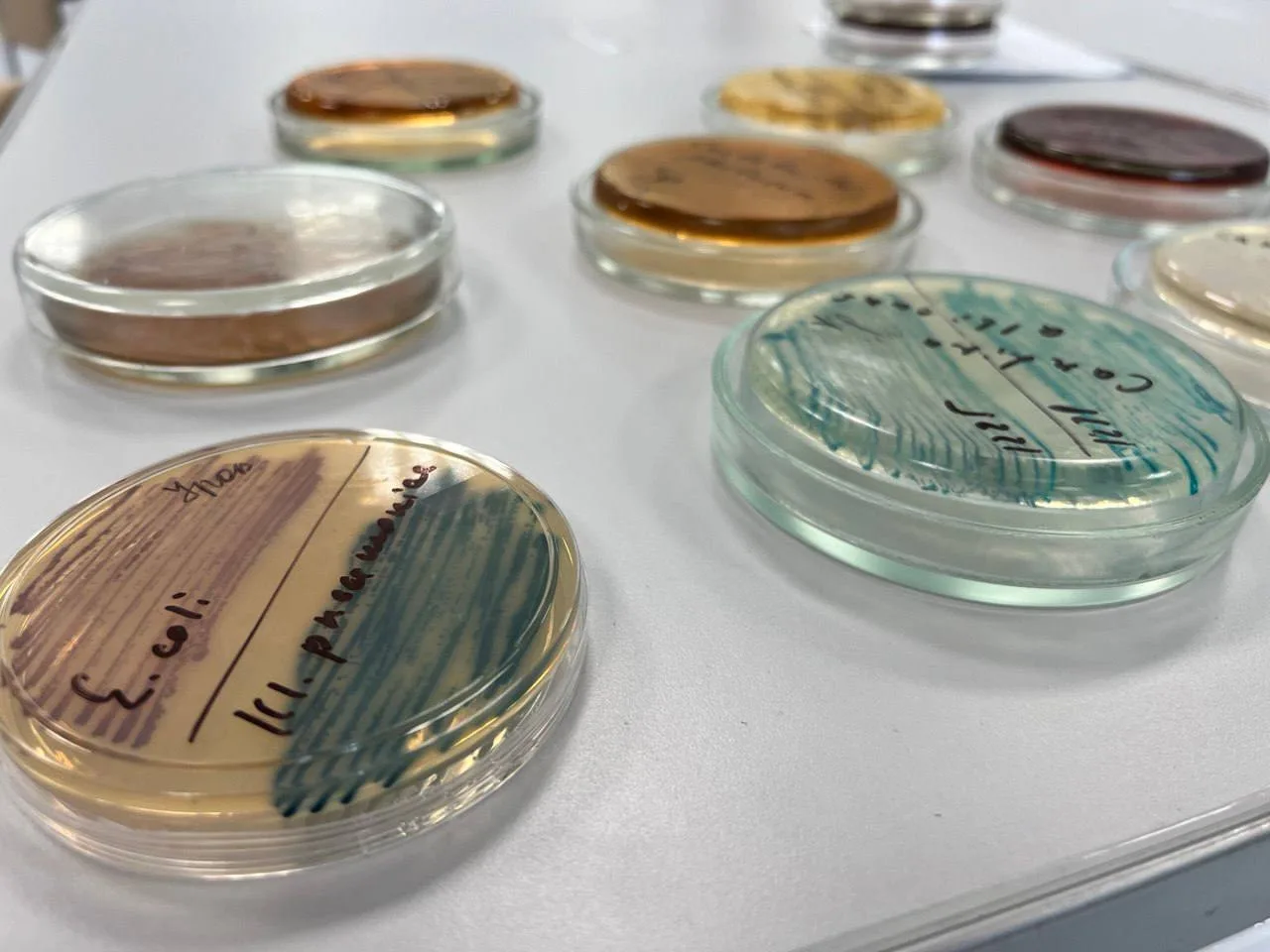
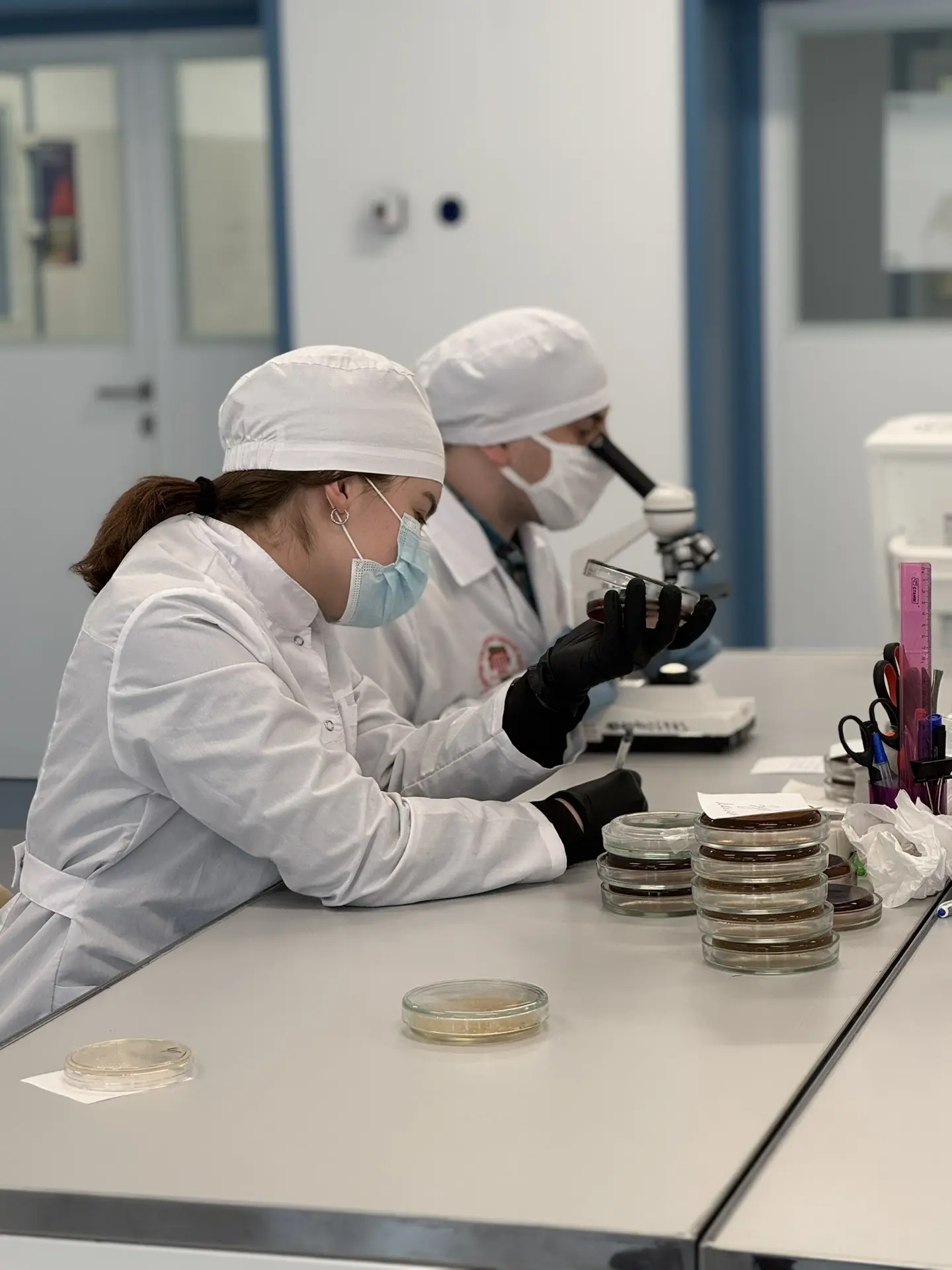
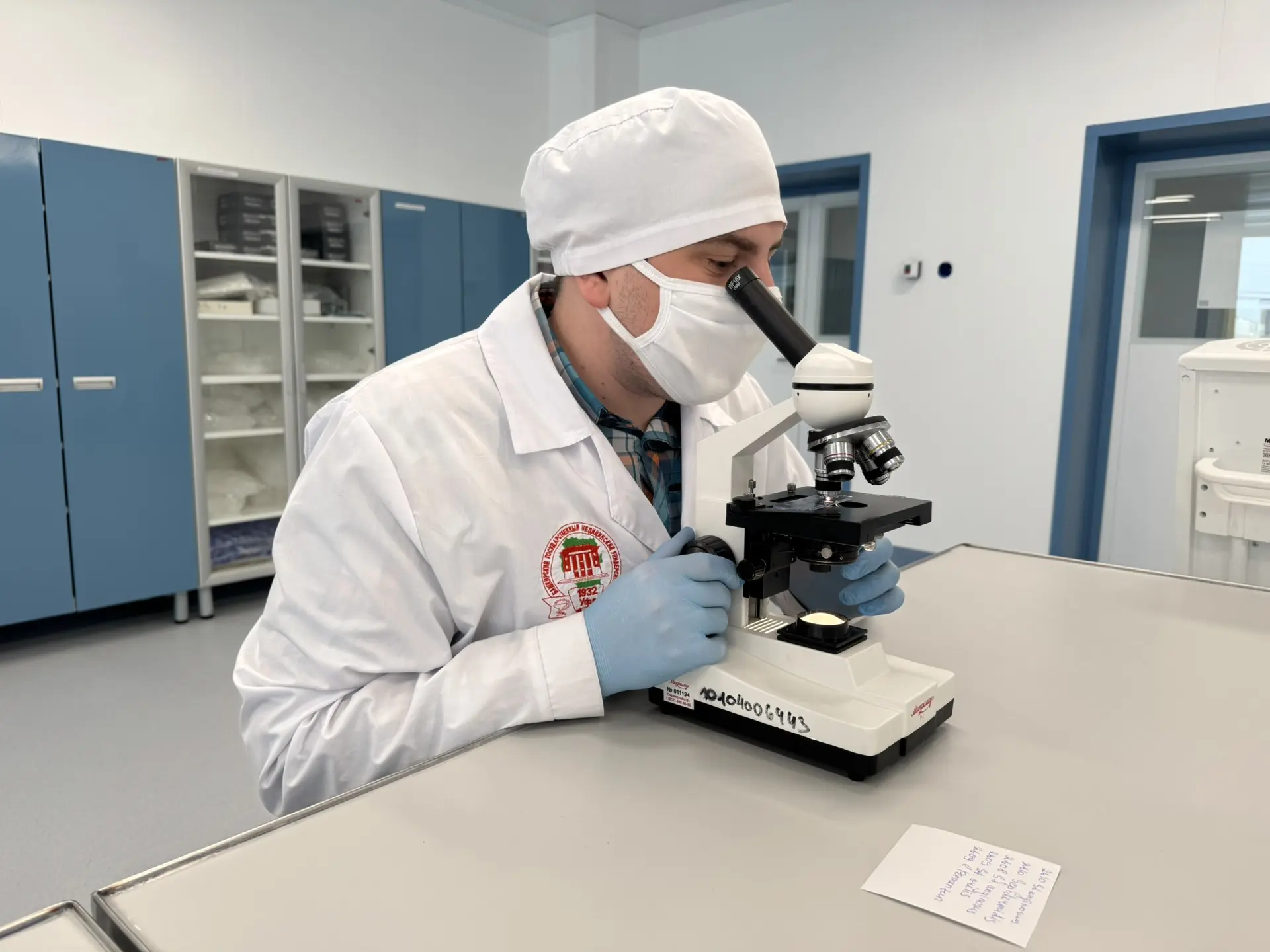
Scientists at the human microbiome laboratory of Bashkir State Medical University at the Interuniversity Student Campus have developed an innovative domestic test system that allows you to quickly, accurately and with minimal financial costs determine the amount of Akkermansia muciniphila bacterium in the human body. This microculture, informally referred to as the "slimness bacterium," is a key marker of the health of human metabolism.
Akkermansia muciniphila lives in the intestines of a healthy person and accounts for 1 to 4% of the total microbiota. Deficiency of this bacterium is directly related to the development of obesity, type 2 diabetes mellitus and inflammatory bowel disease, and excess can lead to the development of cancer.
Until recently, accurately quantifying this bacterial species in clinical samples posed a significant challenge for scientists. Previously, Akkermansia, as a strict anaerobe, was extremely difficult to identify. Whole genome sequencing was considered the only reliable method, which was a long and expensive process. For routine diagnostics, this is impractical.
The team of scientists of BSMU went beyond the existing analogues. If earlier studies made it possible to select primers only for the genus of bacteria, then Bashkir scientists have developed nucleotide primers and probes for the species Akkermansia muciniphila.
The new polymerase chain reaction test system works on a principle similar to coronavirus tests, but aims to identify a specific bacterium. This allows both qualitative and quantitative analysis.
The introduction of development opens the era of affordable personalized diagnostics. The BSMU test system is much cheaper than sequencing, which makes monitoring the state of the microbiota accessible to clinics and research centers.
The development has a dual purpose on the one hand - it is objective monitoring of the effectiveness of therapy for patients with metabolic disorders, on the other - pharmaceutical companies will be able to use the test to check the presence and amount of the strain in probiotic medicine before registration and release to the market.
The success of the study was facilitated by support through the Priority 2030 strategic academic leadership program. Thanks to funding, modern anaerobic equipment was purchased to the laboratory, which allows working with sensitive cultures.
"We didn't just find a bacterium, we found applications for that knowledge. The test system will help doctors manage the microbiome to prevent a whole range of socially significant diseases," Rector of the Bashkir State Medical University of the Ministry of Health of Russia, Academician of the Russian Academy of Sciences, Professor Valentin Pavlov.
University scientists have taken a step towards import substitution in the field of medical diagnostics and the creation of new approaches to treatment through the management of the human microbiota.