29.09.2026
BSMU delegation took part in the meeting of the Permanent Council of the Russian-Chinese Association of Medical Universities
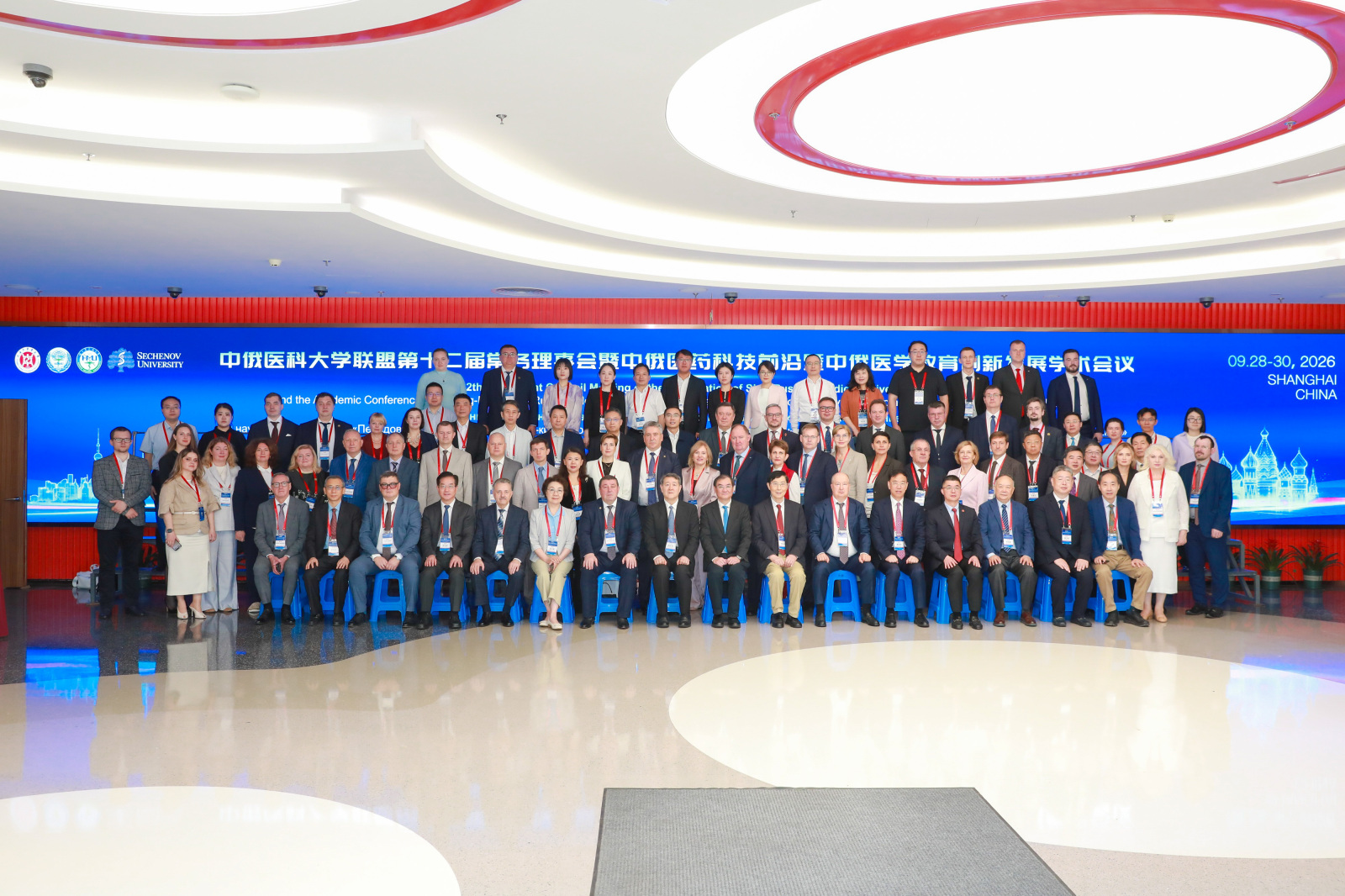
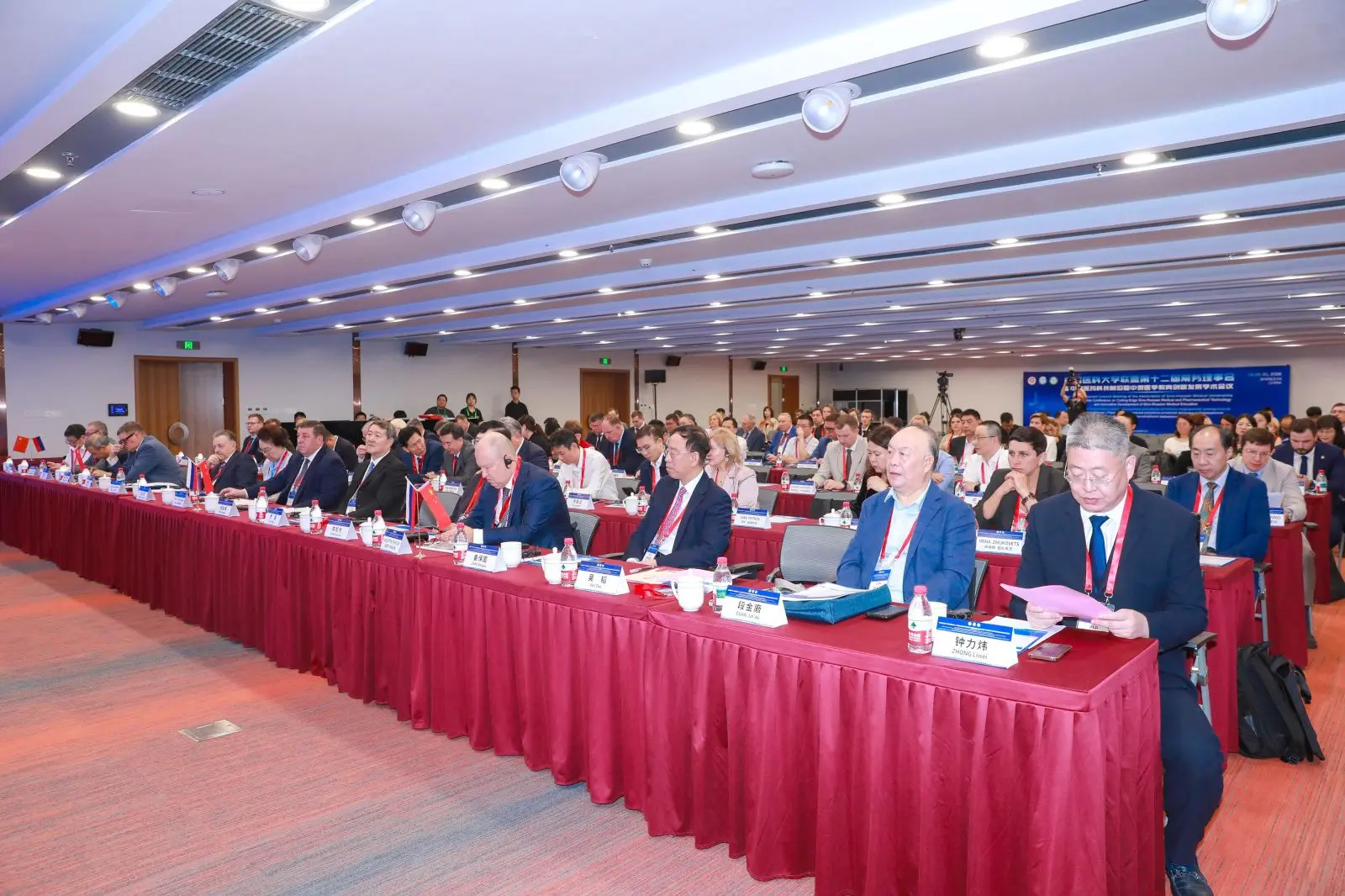
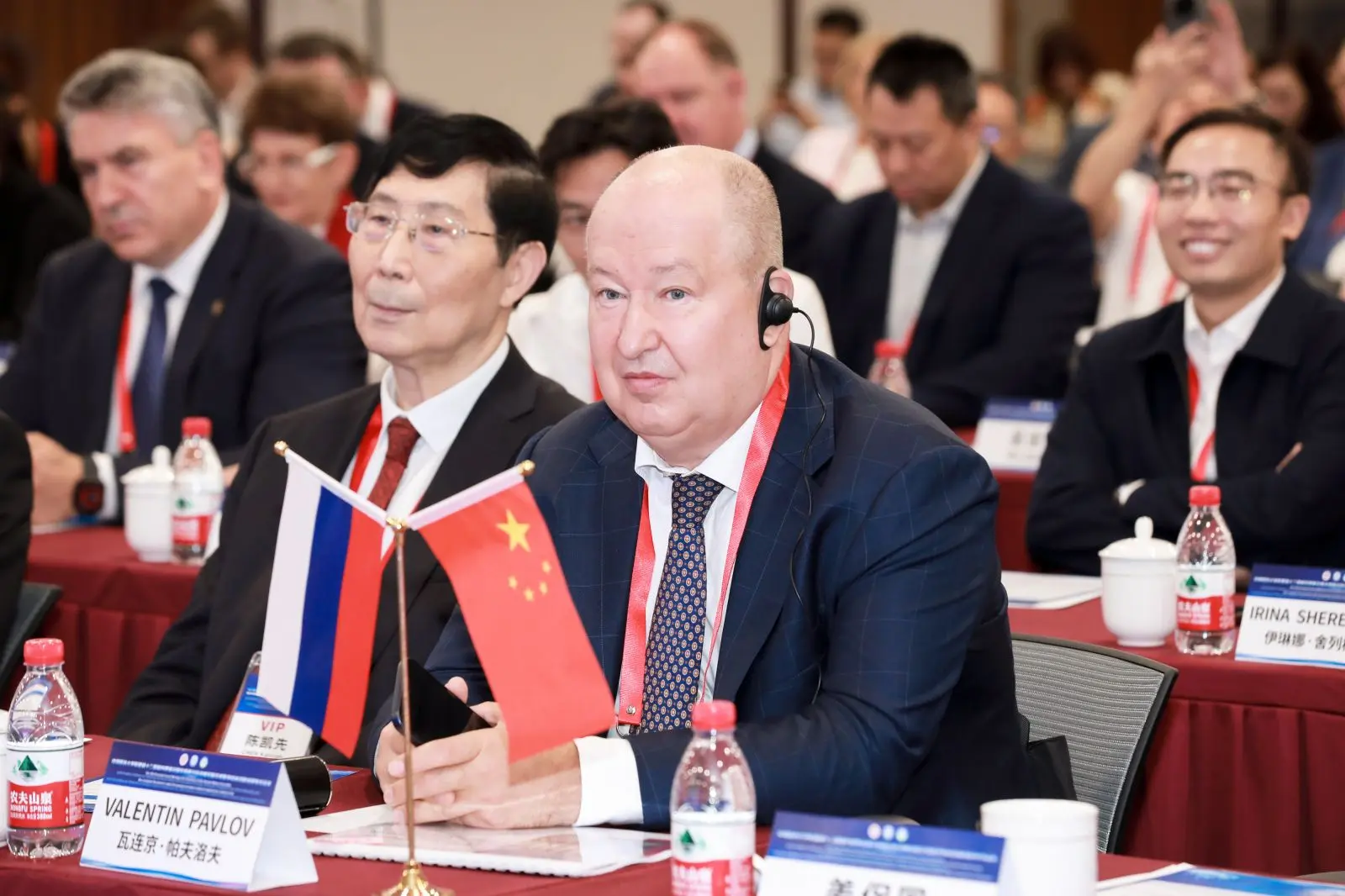
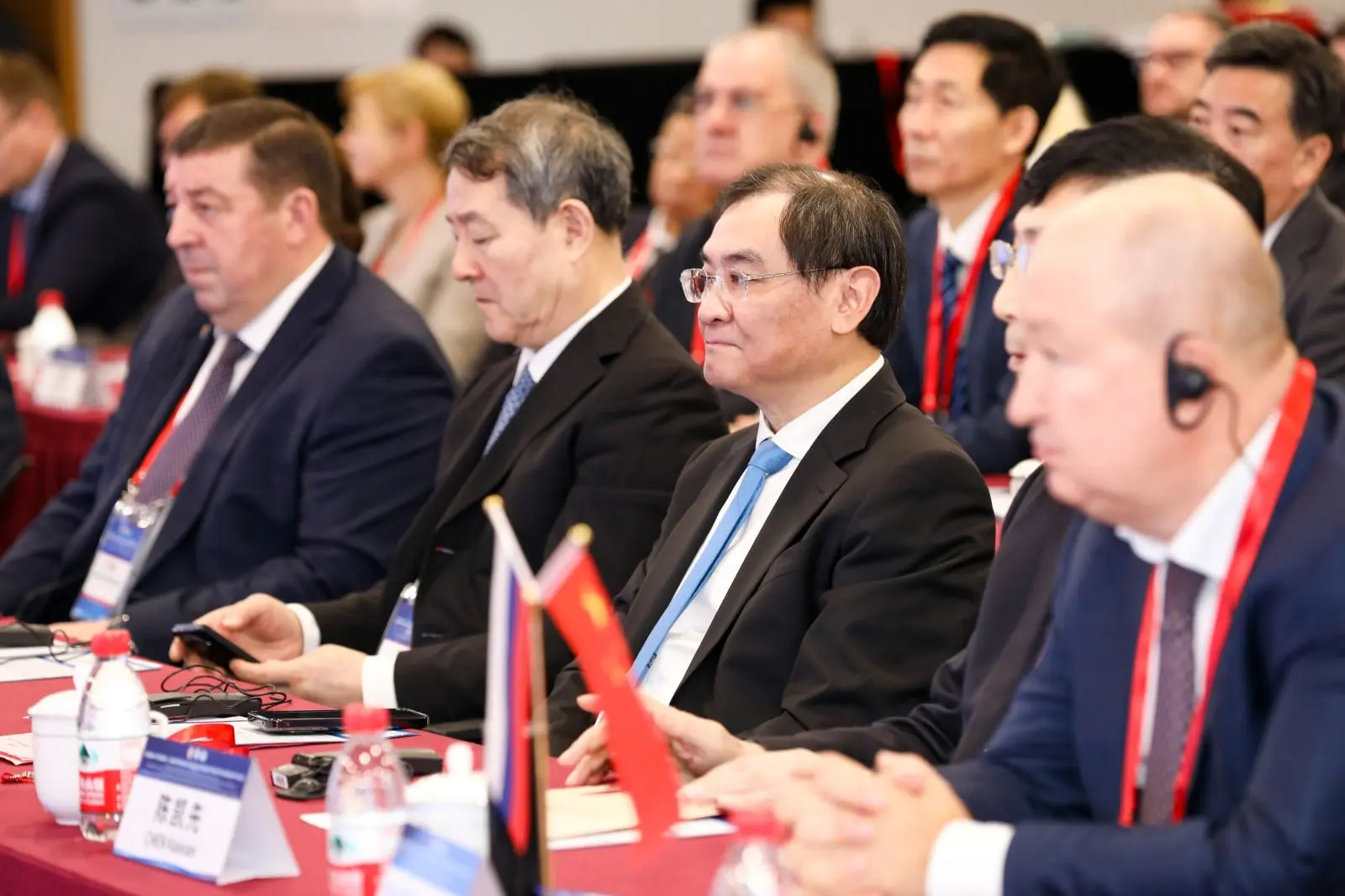
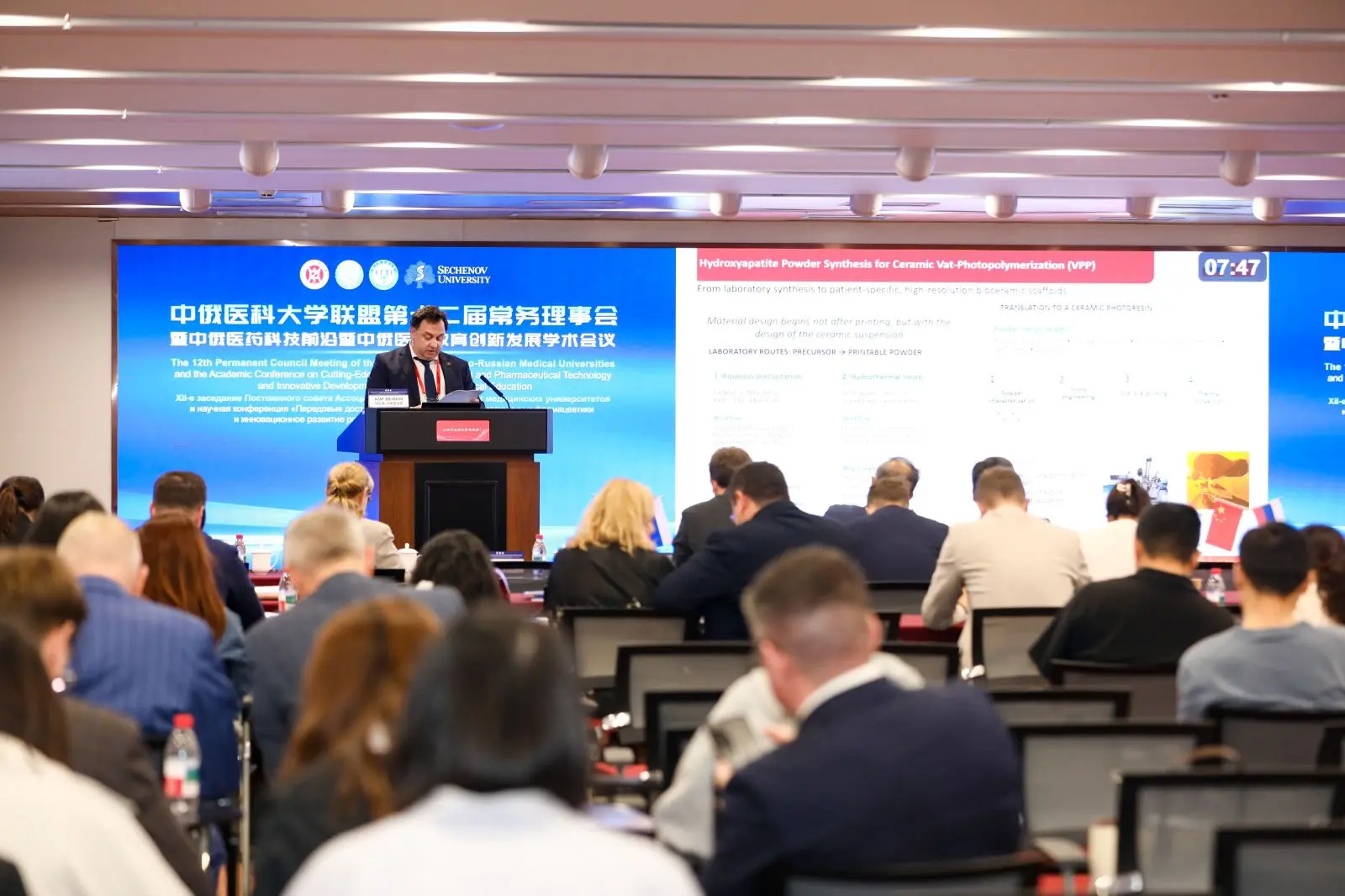
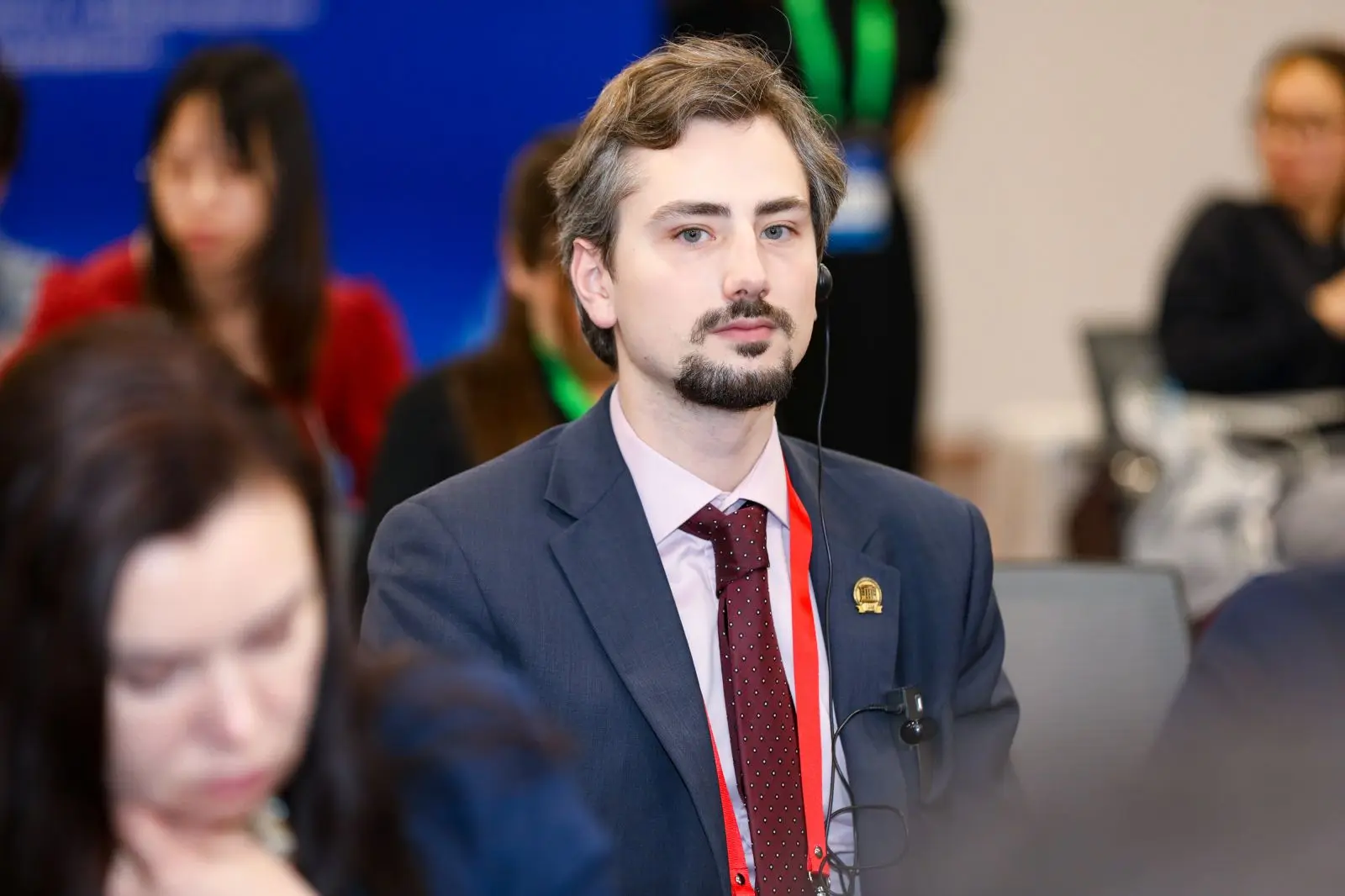
Shanghai (China) hosted large-scale international events in the field of medical education development: a meeting of the Permanent Council of the Russian-Chinese Association of Medical Universities and the Russian-Chinese Scientific Conference. The delegation of the Bashkir State Medical University, headed by the rector, academician of the Russian Academy of Sciences, Professor Valentin Pavlov, took part in a meeting of the Association - a key platform uniting the leading medical universities of the two countries.
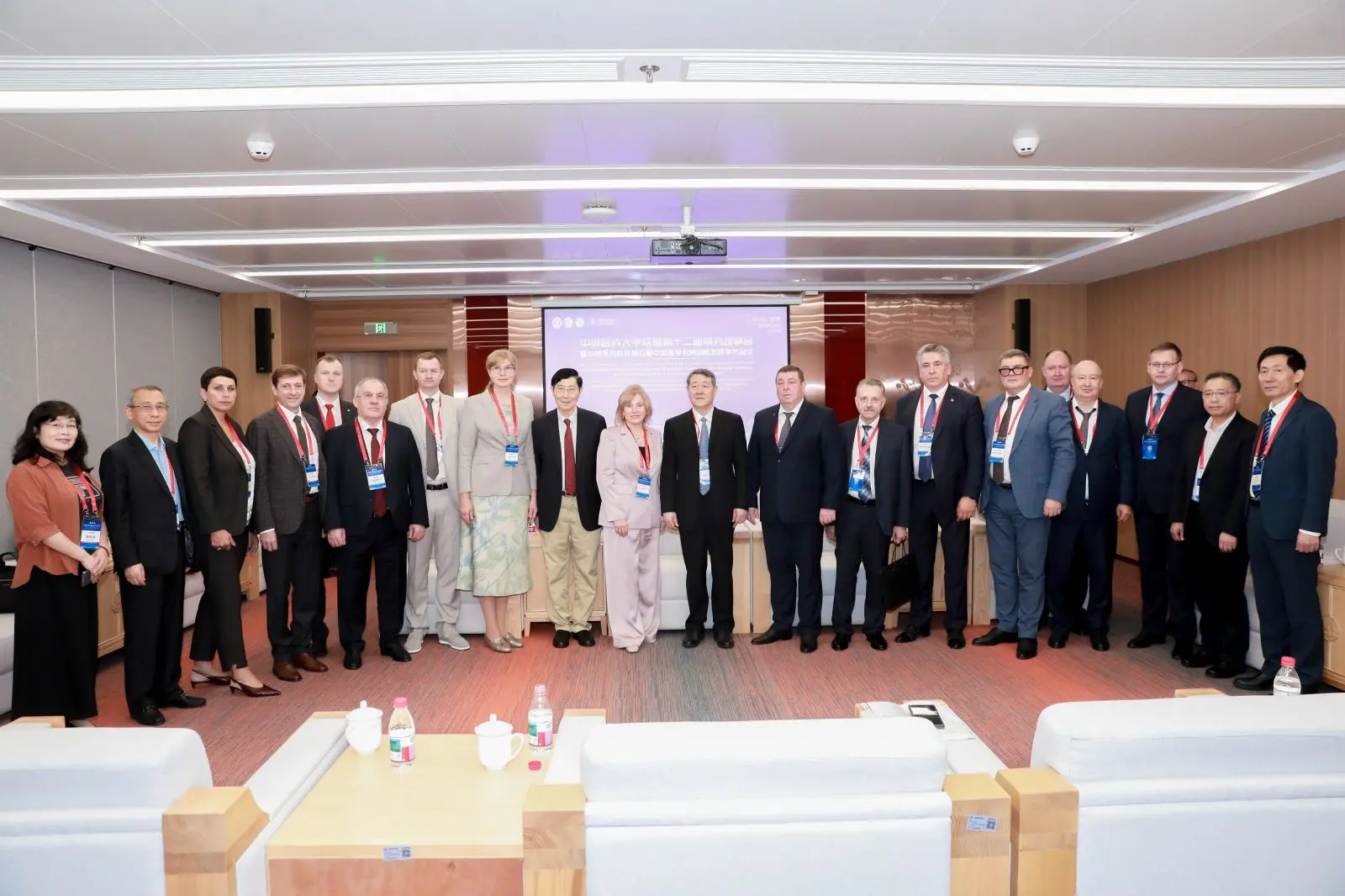
The opening of the meeting was attended by Deputy Director of the Shanghai Health Commission Luo Meng, Minister of Health of the Russian Federation Mikhail Murashko (online), co-chairman of the Association from the Chinese side Academician Yang Baofeng, co-chairman of the Association from the Russian side, Rector of Sechenov University, Academician of the Russian Academy of Sciences Pyotr Glybochko, as well as Secretary of the Party Committee of the Shanghai University of Traditional Chinese Medicine Professor Wu Tao.
The plenary session was addressed by leading representatives of medical education and science in Russia and China: representatives of Shenzhen University, Harbin Medical University and Naval Medical University from the Chinese side and rectors of regional medical universities from the Russian side.
The key topics of the meeting are the results of the work done, new promising areas and tasks of expanding interaction with universities of the two countries. The meeting takes place in a strategically important period: 2026-2027 are declared the years of Russian-Chinese cooperation in the field of education, which emphasizes the relevance of the agenda.
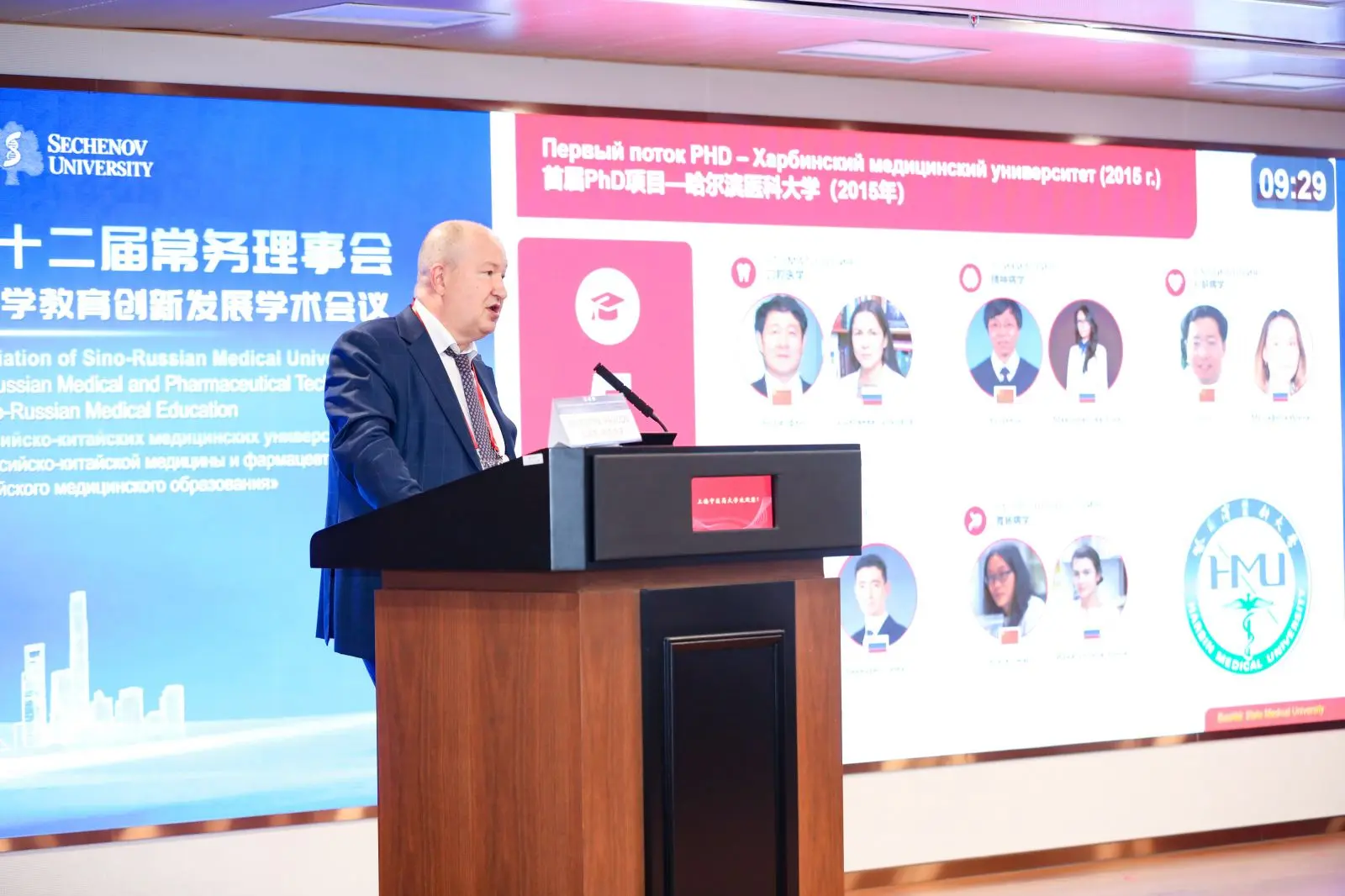
Rector of BSMU Valentin Nikolaevich Pavlov made a report "Joint PhD programs - the driver of scientific and technological development of universities," in which he spoke in detail about the long-term and fruitful cooperation of the BSMU of the Ministry of Health of Russia with leading medical universities of the People's Republic of China. The rector noted that the history of the Russian-Chinese partnership of the university dates back to 2013 and the visit of the BSMU delegation to Sichuan University and its West China Hospital. Already in 2014, with the active participation of Academician Yang Baofeng, the Russian-Chinese Association of Medical Universities was created, uniting today the leading universities of the PRC, including Harbin Medical University, Sichuan University, Nanchang University, Jilin University, Peking University, Wenzhou Medical University.
The rector described in detail the mechanism for sending and distributing graduate students to PhD programs: selection of the most trained students, coordination of directions with rectors of partner universities, distribution by specialty and subsequent enrollment in Chinese universities. The path from the University of BSMU of the Ministry of Health of Russia to PhD in China begins with basic language training in the first year.
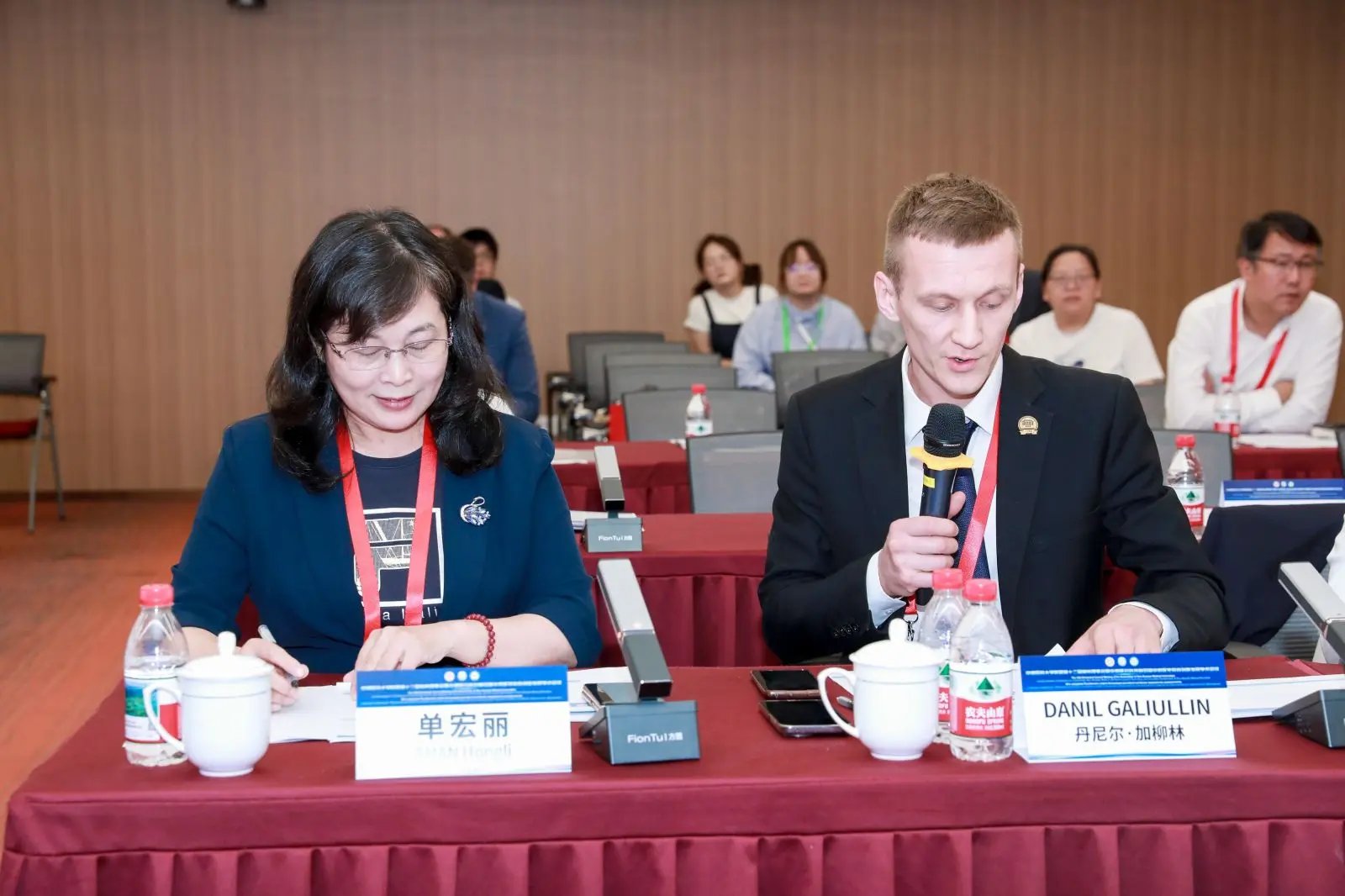
Particular attention was paid to the success stories of graduates. Among them are the head of the Department of Pathological Physiology and Deputy Director of the Institute of Fundamental Medicine Gulnara Tuguzbaeva, postdoctoral student of the Guangzhou Medical Center for Women and Children Elina Idiyatullina, as well as Danil Galiullin, Tagir Taipov and Valentin Kudryashov, who work at Sichuan University under the guidance of Professor Hu Jiankun and published 15 articles in highly rated journals.
The rector cited indicators of publication activity: for 2017-2026, graduates of the PhD programs of BSMU published 215 articles in the Web of Science database.
Valentin Pavlov also spoke about significant joint projects with partners - the opening of the Russian-Chinese center for diagnostics and treatment using robotic minimally invasive technologies together with Jilin University, implementation of a grant from the National Natural Science Foundation of China for 2024-2026 in conjunction with Wenzhou Medical University, which resulted in one international patent and seven articles in Q1 WoS journals with an impact factor of more than 6.0, as well as about the annual international surgical Olympiad of BSMU, which was attended by more than 100 students from Chinese universities.
BSMU implements joint postgraduate (PhD) and doctoral programs (Post-Doc) in conjunction with 3 Chinese universities: Harbin Medical University, Sichuan University and Wenzhou Medical University. In total, 44 BSMU students took part in PhD training.
The university conducts joint research projects in the field of oncology, aimed at finding new biomarkers of malignant neoplasms, in the field of cardiology and pharmacology to develop agents against atherosclerosis, in the field of psychiatry, the study of cognitive and behavioral factors and in the field of molecular imaging, interventional cardiology.
Concluding the report, the rector emphasized that the joint PhD programs have become a driver of the scientific and technological development of universities, forming a new generation of medical scientists capable of working at the intersection of cultures and scientific schools. The academician invited partners to visit Ufa and discuss the creation of a powerful Russian-Chinese educational, scientific and medical center in Russia.
Within the framework of the Russian-Chinese scientific conference, Azat Bilyalov, Associate Professor of the Department of Traumatology and Orthopedics of the Bashkir State Medical University of the Ministry of Health of Russia, made a report "Application of additive technologies in the production of biomedical implants" in the section "Medical Technologies and Artificial Intelligence." He introduced a multimaterial additive technology platform being developed at the university: hydroxyapatite-based ceramics, high-temperature PEEK class polymers, allograft-based biomaterials, mathematical modeling, and gas-dynamic functional coatings.
Azat Rinatovich noted that modern additive medicine is moving towards personalized products in which geometry, architecture, material and surface are designed together for a specific patient. Each platform component performs its function: ceramics provide a bioactive porous architecture, PEEK - radio-transparent and mechanically efficient customized structures, allograft matrices create an osteoconductive microenvironment, and cold spraying forms active interfaces. The most promising direction he called hybrid systems combining carrier, biological and surface functions.
The program of the Russian-Chinese scientific conference covered a wide range of areas: from additive technologies and biomedical implants to regenerative and preventive medicine. Russian and Chinese scientists presented developments in the field of personalized medicine, bioengineering of root canals of teeth and functional coatings for medical devices. A separate block of reports was devoted to digital diagnostics, including nonlinear dynamics methods for automatically detecting obstructive sleep apnea and predicting the response of tumors to chemotherapy. A significant part of the speeches concerned fundamental research - cellular aging, the regenerative activity of wound-healing materials and the mechanisms of action of drugs.
On the Russian side, the conference was attended by representatives of 11 universities: BSMU of the Ministry of Health of Russia, Volgograd State Medical University, Voronezh State Medical University named after N.N. Burdenko, Far Eastern State Medical University, Irkutsk State Medical University, Kuban State Medical University, St. Petersburg State Pediatric Medical University, Saratov State Medical University named after V.I. Razumovsky, North-West State Medical University named after I.I. Mechnikov, Sechenov University and Tyumen State Medical University.
Note that Bashkir State Medical University is an active participant in the Russian-Chinese Association of Medical Universities (RKAMU). During the cooperation, more than 200 joint scientific events were held, more than 100 joint scientific articles were published in highly rated journals.