20.10.2026
Bashkortostan will become the first region in Russia with a full cycle of production of mRNA medicine: the fifth meeting of the Scientific and Technical Council of the Scientific and Technical Center for the Development of mRNA Technologies has started
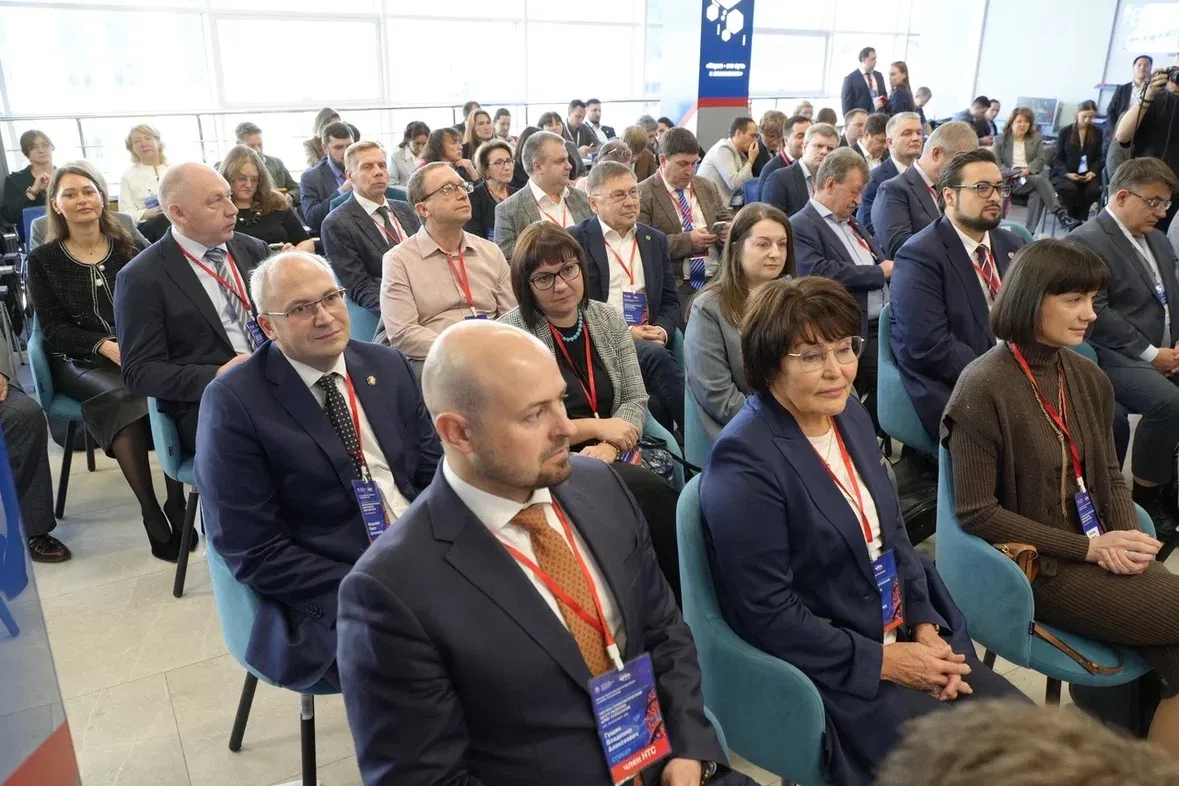
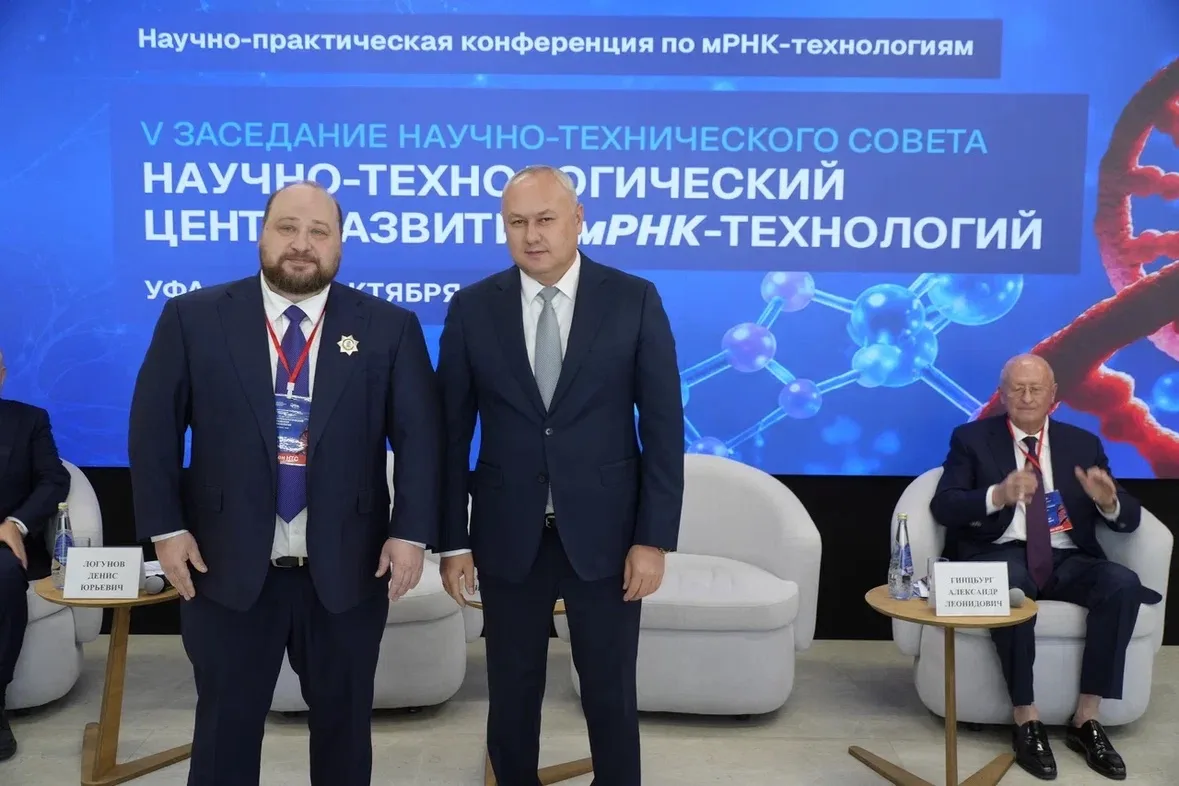
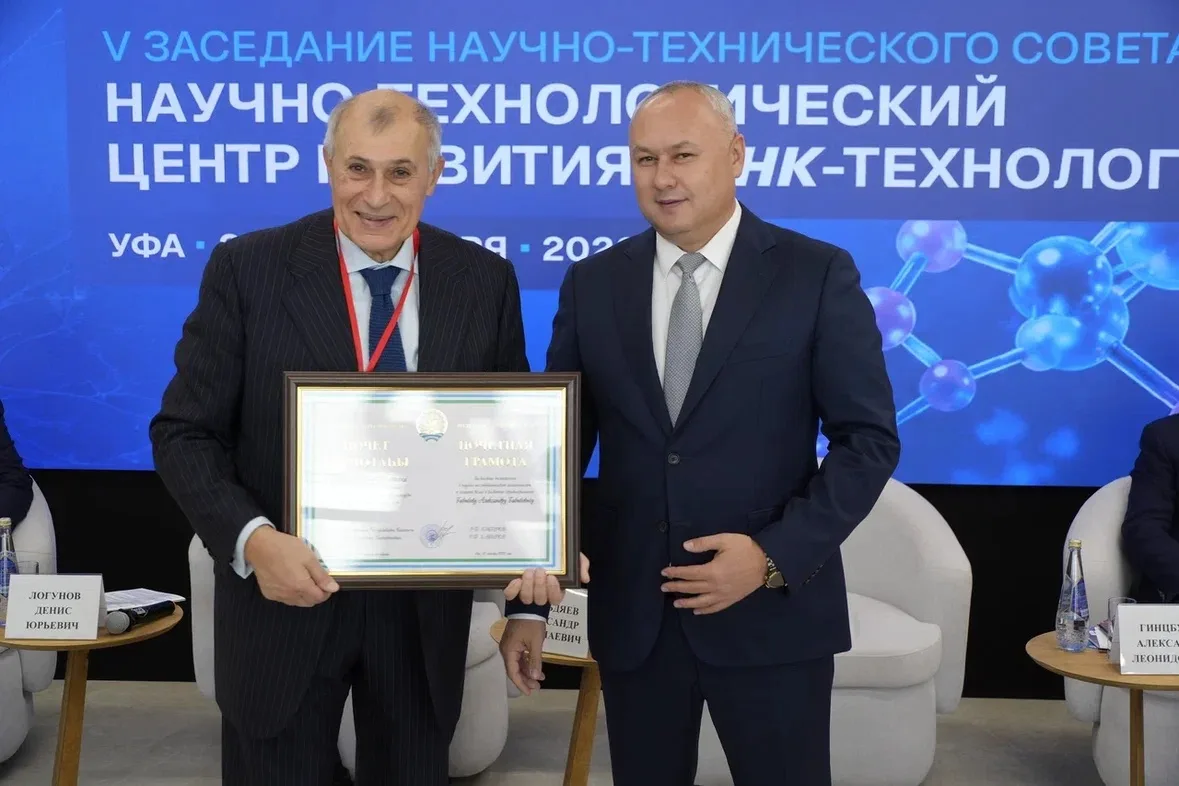
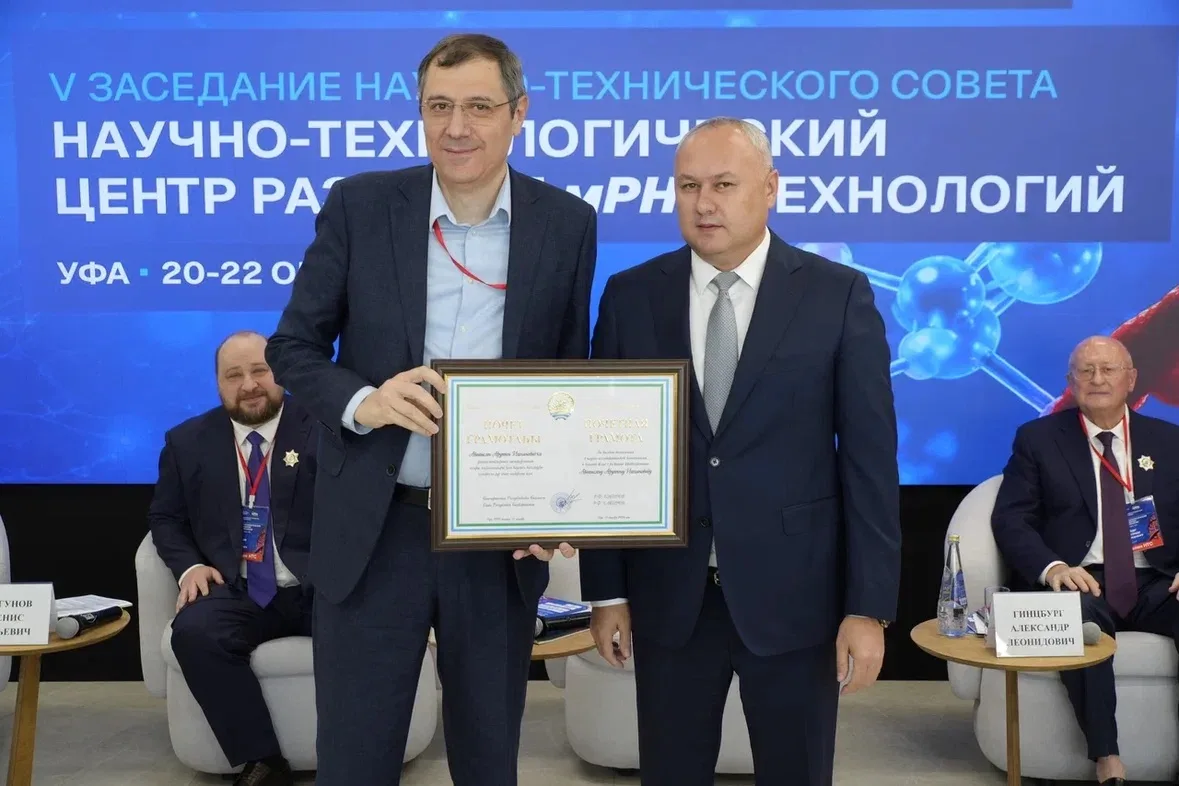
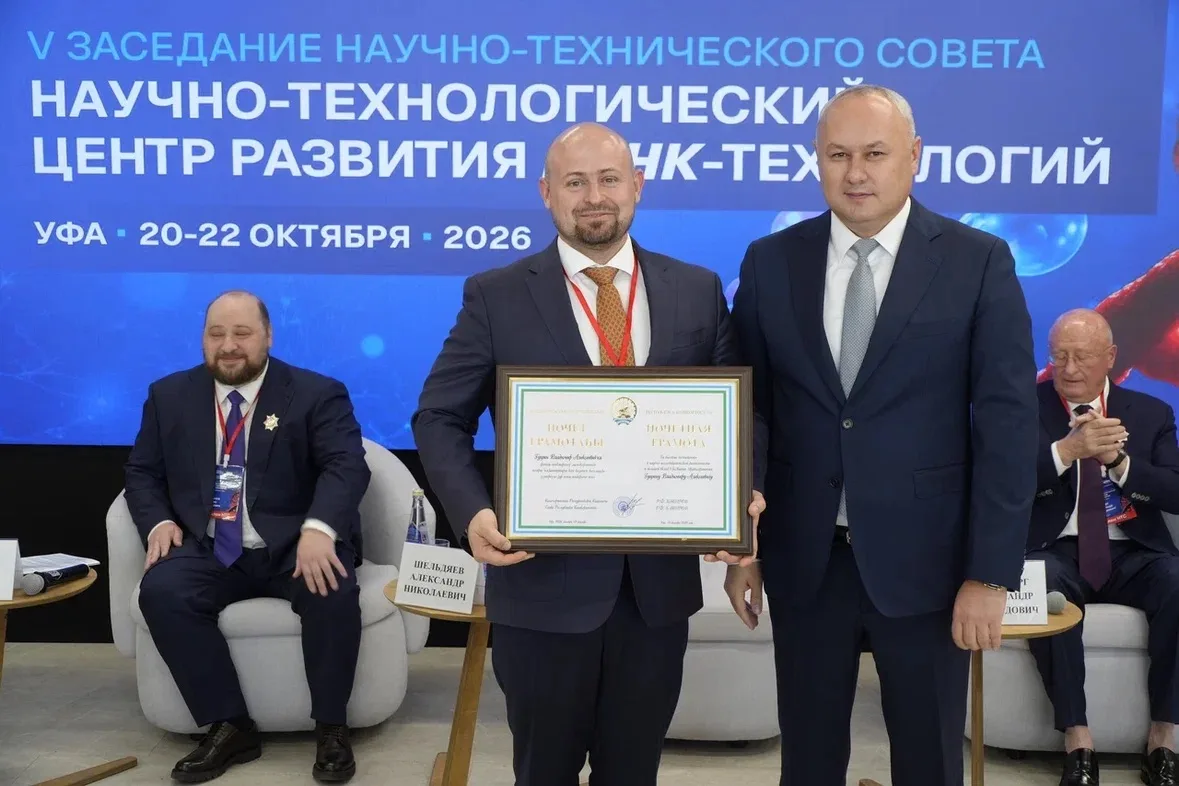
At the site of the Bashkir State Medical University in the Interuniversity Student Campus, the opening of the fifth meeting of the Scientific and Technical Council of the Scientific and Technological Center for the Development of mRNA Technologies took place.
The agenda of the meeting includes the use of mRNA technologies in oncology, prevention of infectious diseases, replacement and therapeutic medicine, including cardiology, as well as the development of infrastructure and technological platforms.
The development of mRNA technologies is one of the most promising areas of modern biomedicine. This area is particularly important, as its development aligns with the decisions of the President of the Russian Federation V.V. Putin to create domestic technologies for producing messenger RNA-based medecine, including those intended for cancer treatment.
Recall that in February 2026, the Bashkir State Medical University of the Ministry of Health of Russia was included in the list of organizations involved in the creation of the Scientific and Technological Center for the Development of mRNA Technologies. The consortium includes 20 organizations, including five medical universities in the country.
The basis for the inclusion of the university was the formed scientific and clinical infrastructure, competencies in oncology, genetics, immunology, biotechnology, bioinformatics and personalized medicine, as well as the ability to conduct research in direct connection with clinical practice.
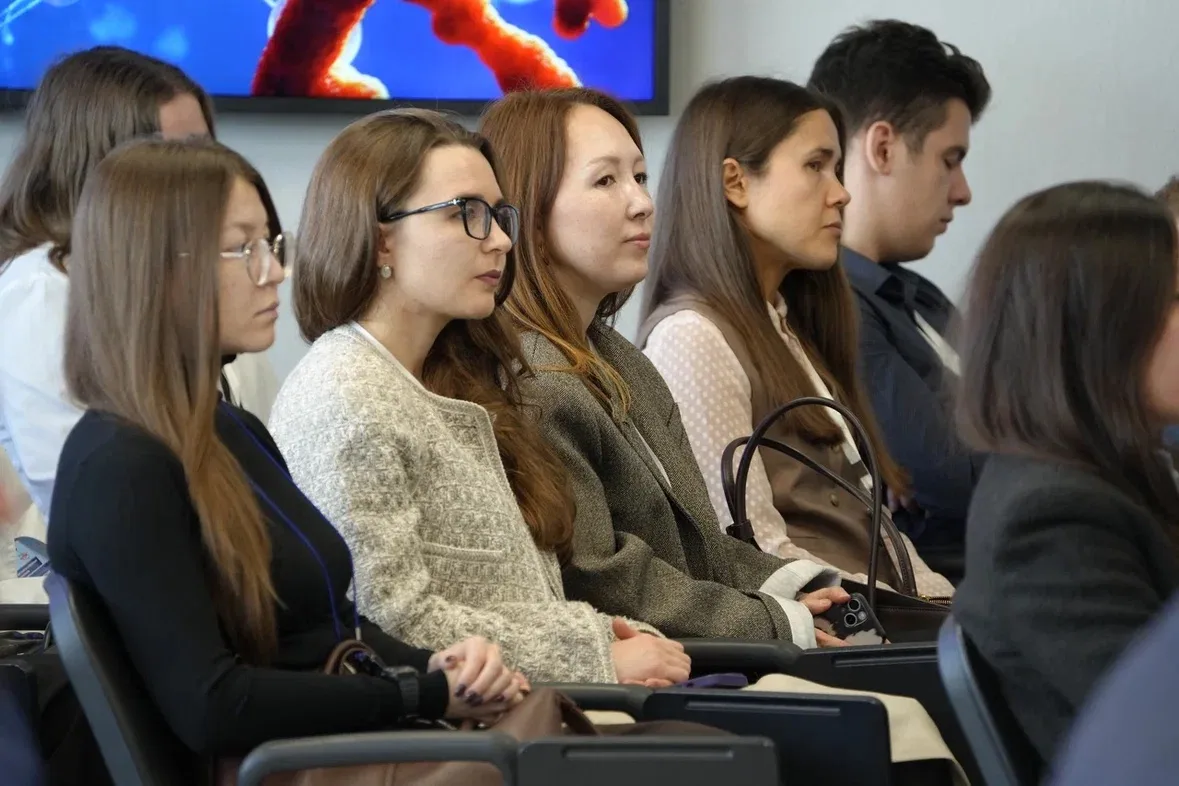
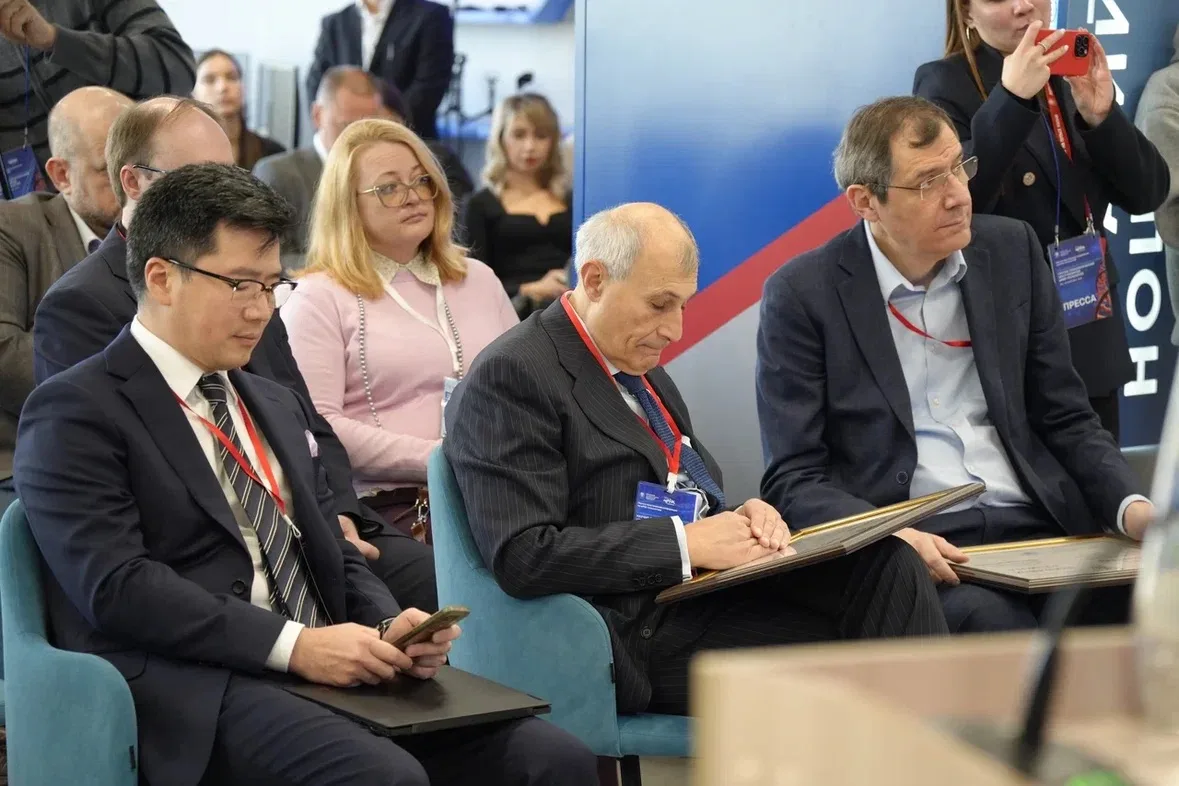
The meeting of the Scientific and Technical Council of the Scientific and Technological Center for the Development of mRNA Technologies is attended by heads of relevant ministries, leading scientists of domestic and foreign science and medicine, representatives of leading scientific, medical and educational organizations of the country, the Russian Academy of Sciences, federal research centers and universities.
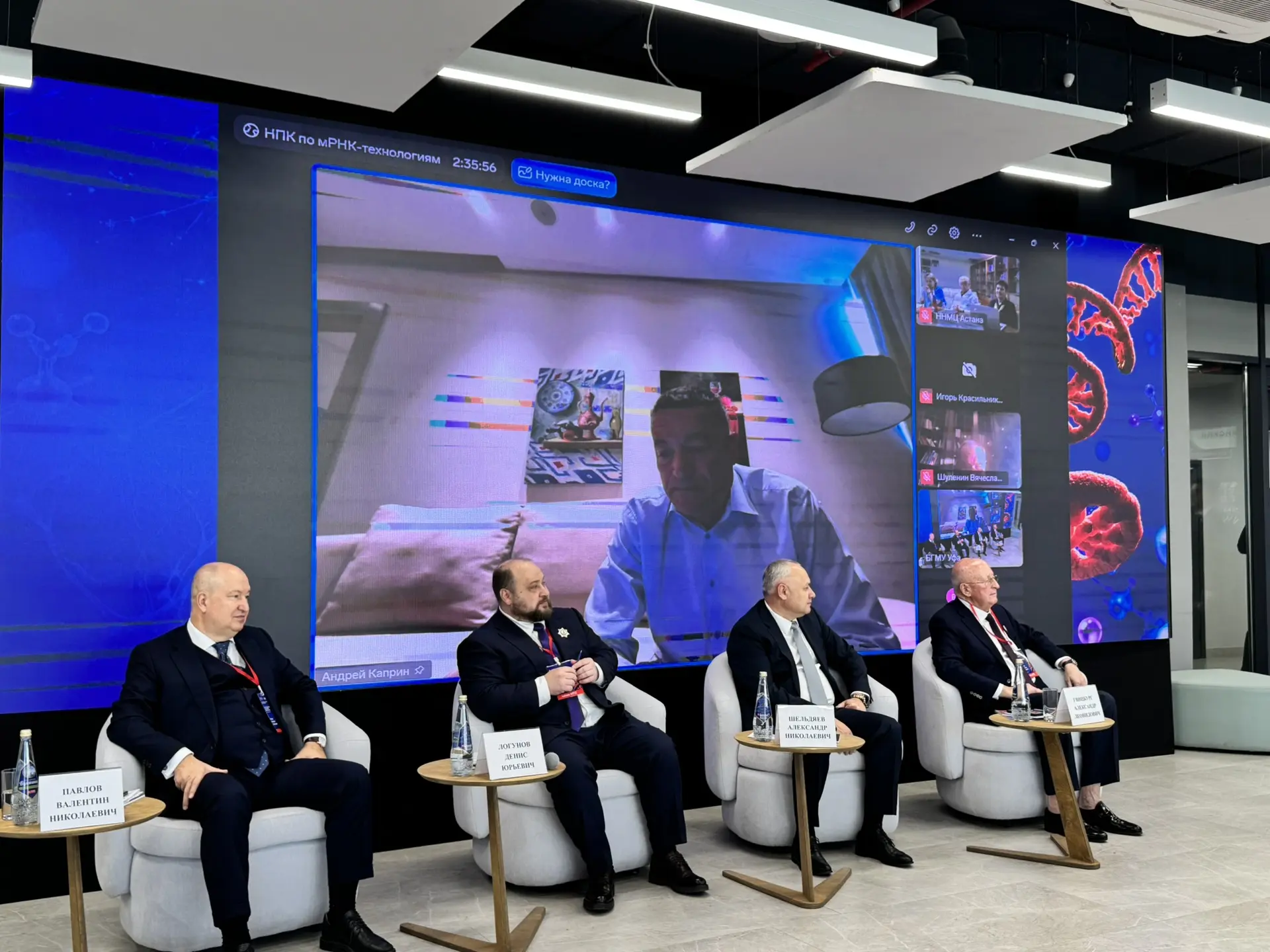
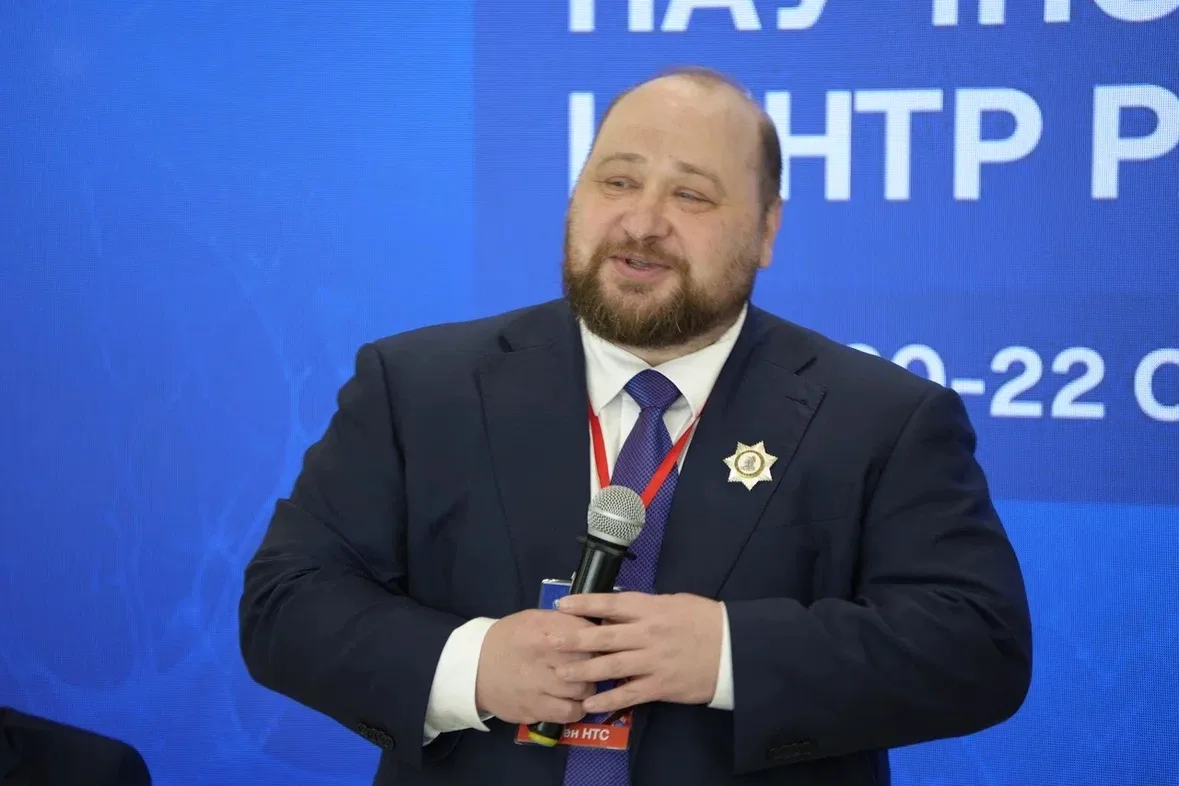
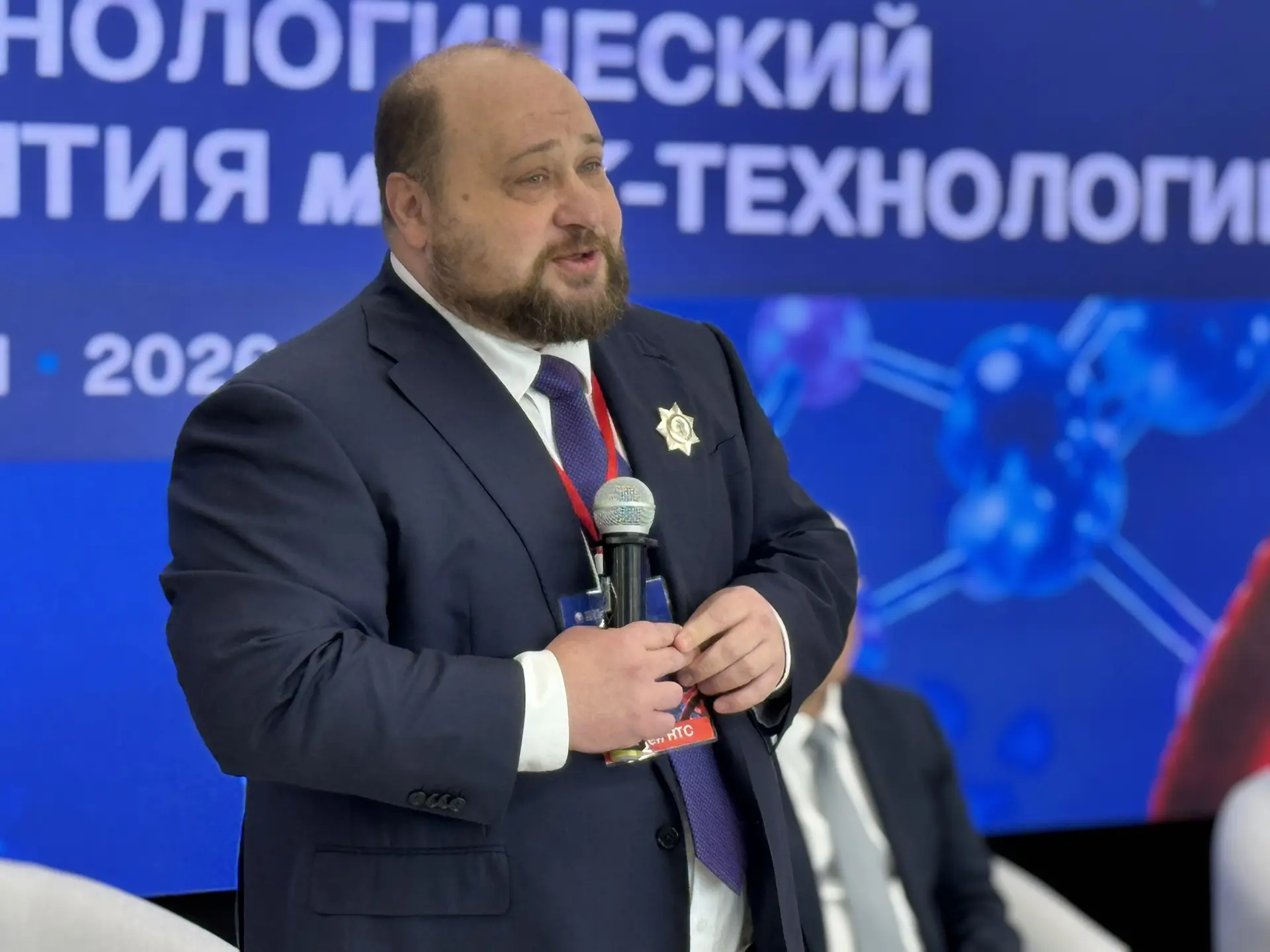
The grand opening was moderated by the head of the head organization of the STC Denis Logunov and the rector of the Bashkir State Medical University, Academician of the Russian Academy of Sciences, Professor Valentin Pavlov.
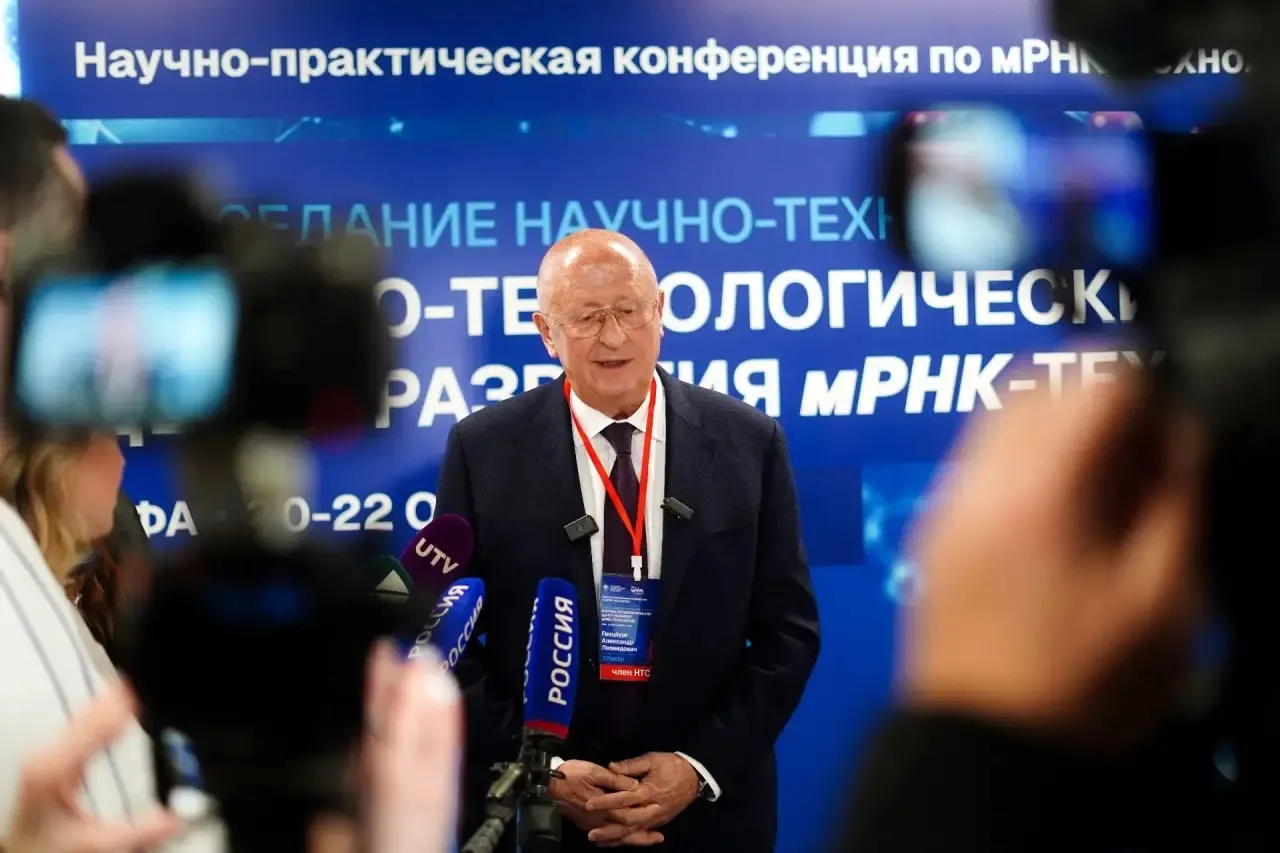
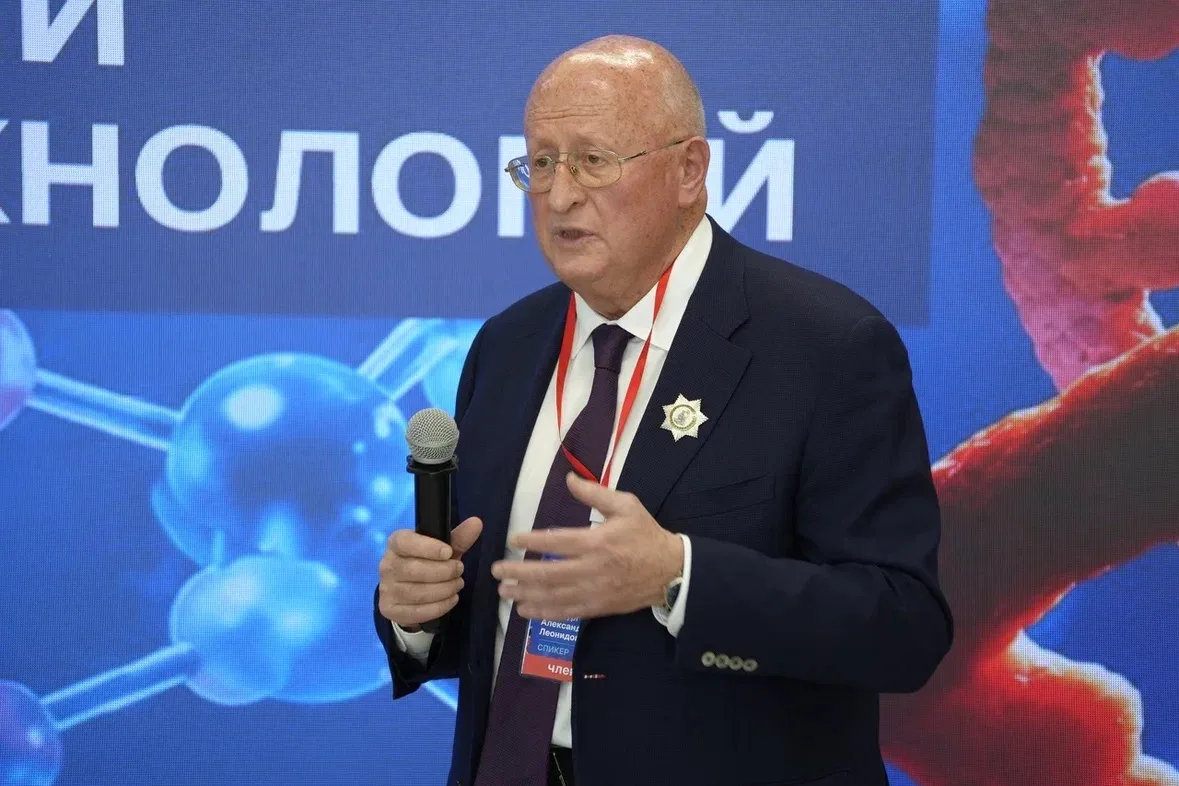
Alexander Ginzburg, scientific director of the Center. N.F. Gamalei, co-chairman of the NTS, - stressed that mRNA technologies have become a priority of state policy, and outlined the main vector of the meeting - the transition of developments "from laboratory to clinic."
"The main result of the consortium's work is, of course, obtaining permission from the Ministry of Health to use a personalized anti-tumor mRNA vaccine to treat patients with melanoma. Such permission was received in November 2025 by the National Medical Research Center of Radiology under the leadership of Andrei Dmitrievich Kaprin and the Gamaleya Center. Today, the Herzen Institute has already begun clinical application of this technology.
Now the main task of the entire consortium team is to scale the experience gained. This is what a significant part of the reports at the fifth meeting of the Scientific and Technical Council will be devoted to. Moreover, we are talking about several directions at once".
Academician of the Russian Academy of Sciences Alexander Ginzburg noted that the consortium unites the efforts of scientific and medical organizations for the development and implementation of mRNA technologies. One of the key tasks is the creation of a domestic data center with genetic information about cancer patients. This requires the participation of cancer centers across the country, which will collect data according to a single standard. This information is needed to train artificial intelligence, which will help more accurately select neoantigens - tumor-specific targets of a personalized vaccine. According to Ginzburg, the development of these tools will reduce the cost of treatment and make it available to significantly more patients.
An important area of work of the consortium is the transfer of technologies to other medical organizations. As noted by Ginzburg, the Bashkir State Medical University has already been transferred to the diagnostic technology necessary for the preparation of personalized vaccines. The next stage is the transfer of mRNA synthesis technology.
Ginzburg also said that a personalized melanoma mRNA vaccine has already been administered to two patients, and up to 15 such vaccines have been made. By the middle of next year, and possibly earlier, it is planned to submit documents to the Ministry of Health and obtain permission to create and use a vaccine against bladder cancer.
BSMU rector Valentin Pavlov presented the scientific and clinical potential of the university.
"Today's meeting is a big event for us, as the use of genetic technology is the mainstream of modern medical science.
BSMU is so far the only platform among Russian universities that is allowed to use its own medical device OnkoBiotechSet-BashGMU for diagnosing tumor material and selecting individual anticancer therapy.
The first task that we solved in our laboratories: we can decipher the genome of sick and healthy cells.
The second stage, together with the Gamaleya Center, we will create a genetic construct that will allow immune cells to distinguish a sick cell, including a cancer cell, from a healthy cell so that their own immune cells can affect patients.
The potential of our university lies precisely in our laboratories, which we opened. The entire team is included in the drug manufacturing process chain. Three groups of laboratories: the first on the basis of the Clinic - biobanking, molecular genetics, immunology. The second is based on the Institute of Fundamental Medicine: microfluidics, bioprinting, cellular technologies. The next group is based on the world-class interuniversity student campus: peptide synthesis, microbiome, mathematical modeling. Thanks to the consortium, all laboratories are united by one goal.
If we used to say that we are catching up with world science and world medicine, we are engaged in import substitution, today we are moving on to import control. These technologies allow us to get ahead of the leading centers of the USA, China. Ufa has become the center of world medical science," Academician of the Russian Academy of Sciences Valentin Pavlov said.
Deputy Director of the Center. N.F. Gamalei Vladimir Gushchin spoke about scaling up the technology and expanding the list of diseases that can soon be treated with individualized biotechnological medicine.
A separate block was devoted to digital infrastructure. Academician of the Russian Academy of Sciences Harutyun Avetisyan spoke about the creation of intelligent models for mRNA technologies, and Vladimir Betelin - about the critical importance of the reliability of the initial medical data. Both speakers agreed: without a high-quality "figure" and proven data, the clinical use of medicine is impossible.
Within the framework of the meeting, a new peer-reviewed journal "mRNA technologies: prevention and therapy" was presented under the auspices of the Russian Academy of Sciences (founder - the Talent and Success Foundation, editors-in-chief - Alexander Ginzburg and Roman Ivanov). The first issue has already been published, and two articles in it were written with the participation of scientists from the Bashkir State Medical University of the Ministry of Health of Russia. Practical issues of the development of the publication were revealed by Anton Kochelaev, inviting colleagues to cooperate.
In the coming days, participants will work on four thematic sections. The oncology direction will focus on mRNA vaccines against solid tumors, liquid biopsy and personalized target selection. The second section will combine cardiology and general therapy, affecting the problems of myocardial fibrosis, cystic fibrosis and severe autoimmune pathologies. The third will be devoted to the prevention of infections and the creation of new vaccines against influenza, HIV, tick-borne encephalitis and other threats. The fourth area will cover advanced technology platforms: scaling mRNA delivery, in vivo CAR therapy, gene editing and machine learning applications. The event will end with a final meeting, where the minutes of work will be approved and strategic decisions will be made on the development and expansion of the STC.